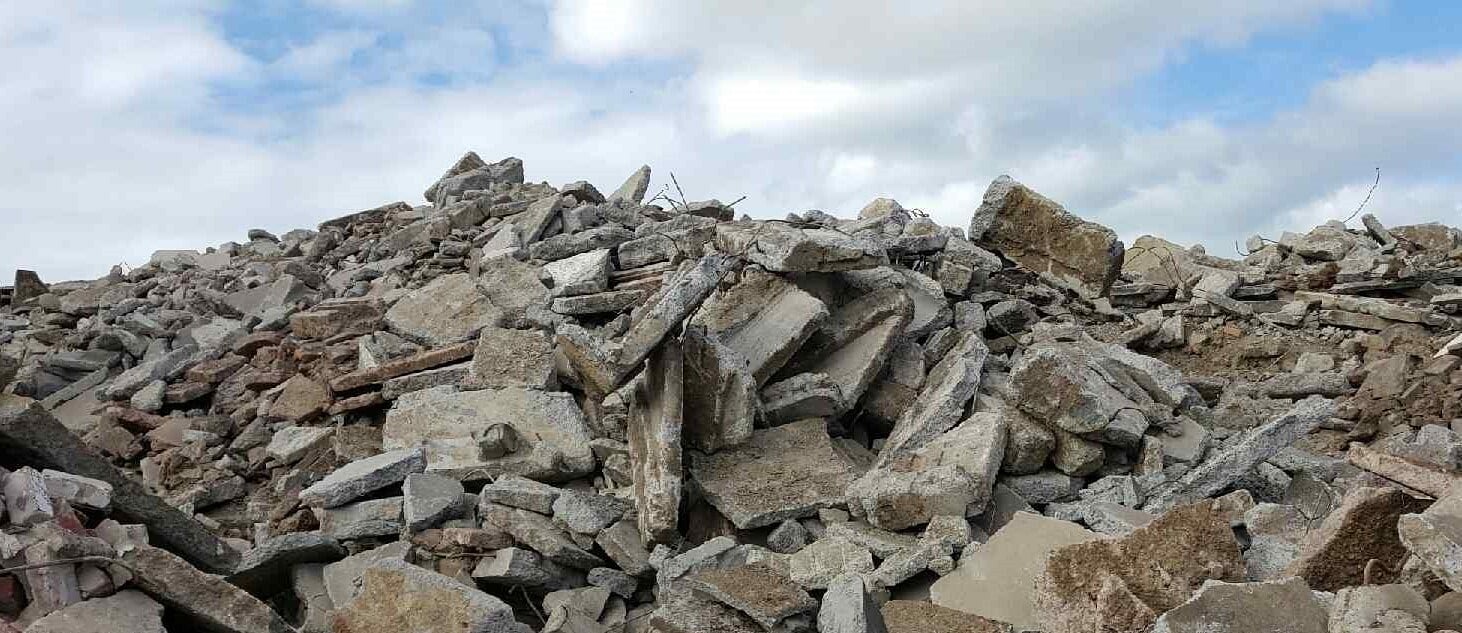
Why recycle waste concrete?
By recycling clean waste concrete and re-using as recycled crushed concrete eco-aggregate:
it reduces the burden on New Zealand’s landfills and extends their life
companies can avoid the MfE waste disposal levy on construction and demolition waste tipped at landfills - levies which will increase annually through to 2027 when they'll reach $45/Ton!
we'll help to preserve our landfill resources for the truly non-recyclable waste
it helps reduce the pressure on natural aggregate – natural aggregate is a finite supply and apart from recycled crushed concrete, there are no known substitutes
using a local site for tipping and metal supplies means shorter trips, less running costs, less carbon emissions, less road congestion, less road wear and tear
Why use aggregate made from recycled concrete?
When you choose recycled crushed concrete eco-aggregate for your project:
it’s good for business and for New Zealand’s environment
it’s clean, green, and lean in price!
it’ll help keep construction costs down
it’ll improve project efficiency and job cost – recycled crushed concrete eco-aggregate yields more volume by weight (up to 15%)
you’ll help to conserve our natural quarried aggregate resources
you help reduce the environmental stress from quarrying, and reduce pollution from trucking metal from quarries (sometimes carted over 100 km from source to site in Auckland)
Where can recycled crushed concrete be used?
The appropriate grade of recycled crushed concrete eco-aggregate can be used almost anywhere natural aggregate is currently used in commercial or domestic projects, including:
- General fill, eg beneath grass, behind retaining walls etc
- Loose on driveways, as unsealed hard stand areas, as paver base for landscaping
- As basecourse or sub-base for footpaths/pavements, medium trafficked roads, driveways and other asphalted or sealed surfaces
- As basecourse under building foundations/slabs
- In civil works such as stopbanks, earth bunds, soakage pits, drainage channels and as pipe and cable trench bedding and backfilling
- Farm tracks, bases and foundations for implement sheds, dairy sheds, etc
- Domestic drainage systems
- Bulk fill, eg embankments and retaining wall construction
- Railway Ballast (subject to Ballast Track Specification 140 compliance)
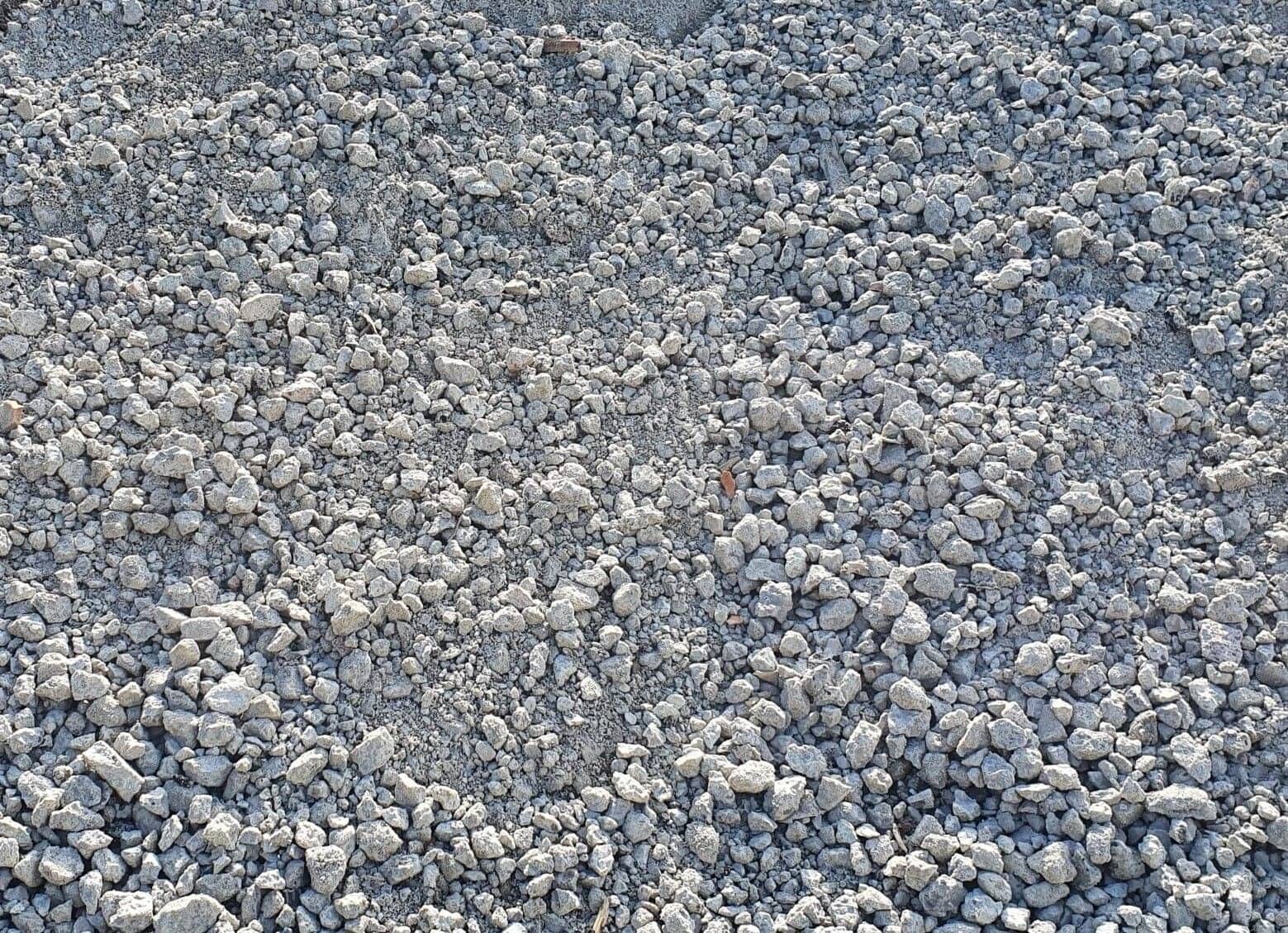
Buyers and users of Auckland Quarry recycled crushed concrete eco-aggregate must make their own assessment of the product’s grade and suitability for use in each specific application

Contact us:
Auckland Quarry Ltd
T: Office - 022 139 9850
T: Jason - 027 820 7015
E: accounts@aqp.co.nz
Hours:
Monday to Friday -
6:30am to 5:30pm
Saturdays -
6:30am to 2:00pm
(or longer by prior arrangement)
Sundays - Closed
Address:
20 Tainui Road
St Johns
Auckland
Note: Entry for all trucks is from 20 Tainui Rd